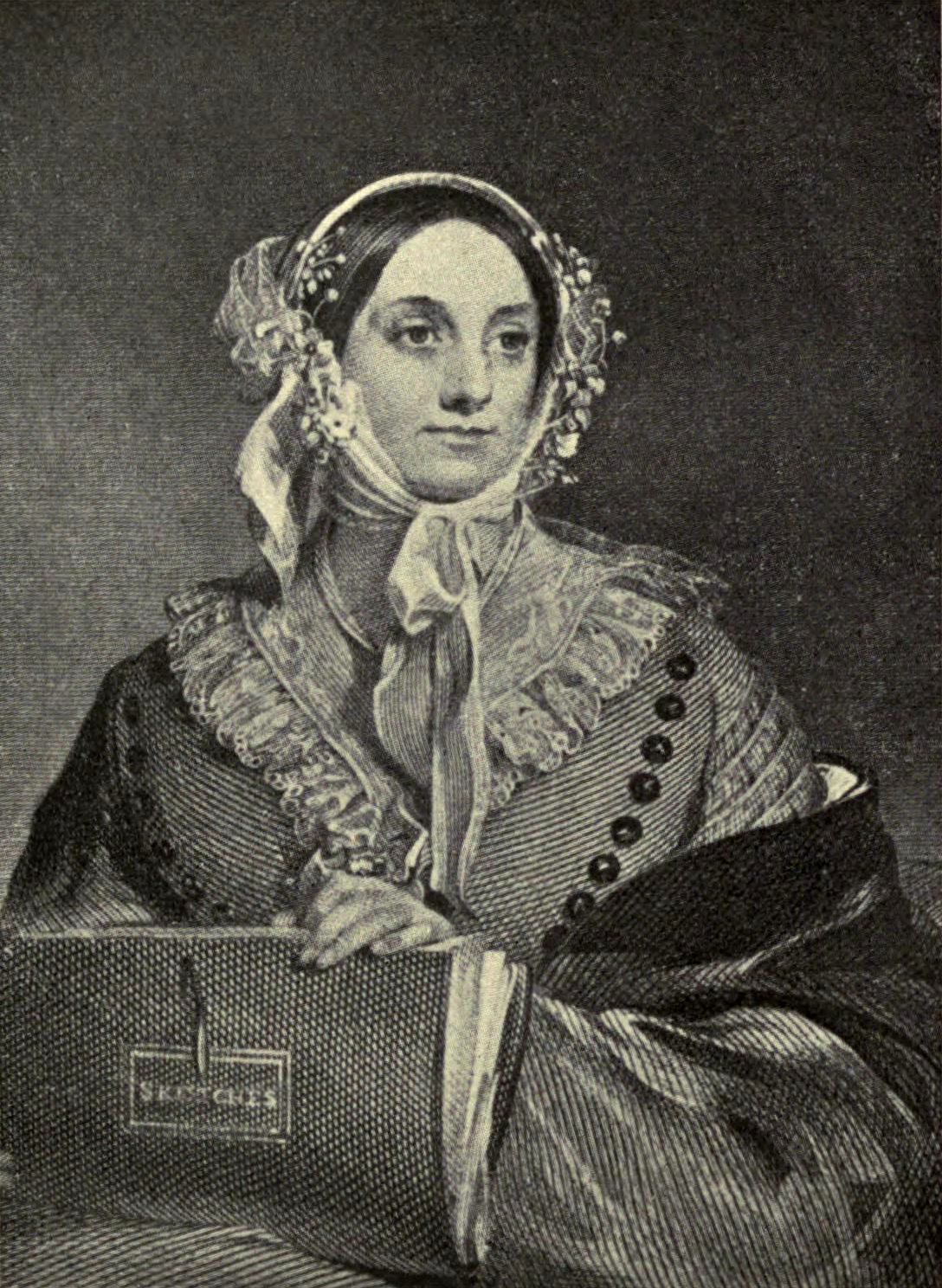
Image: Godey's Lady's Book, Vol. 32/33, January to December, 1846, by Mrs. Sarah J. Hale; Edgar Allen Poe. · Public domain
Directions for Cookery, in its Various Branches
- Year
- 1837
- Era
- 19th century
- Origin
- USA · Americas
- Language
- English
- Category
- American
Directions for Cookery, in its Various Branches stands as one of the most successful American cookbooks of the nineteenth century, going through numerous editions following its appearance in Philadelphia in 1837. Eliza Leslie offered systematic instruction across soups, meats, vegetables, preserves, and pastry, codifying domestic practice for a growing middle-class readership and helping to establish a distinctly American culinary literature independent of British models.
Cooking from this book
Mullagatawny Soup, as Made in India
Eliza Leslie's 1837 take on the Anglo-Indian classic that had become fashionable in American parlors, complete with a from-scratch curry powder and an East Indian method for boiling rice on the side.
Curry powder: Take a quarter of an ounce of China turmeric, the third of an ounce of cassia, three drachms of black pepper, two drachms of cayenne pepper, and an ounce of coriander seeds. These must all be pounded fine in a mortar, and well mixed and sifted. They will make sufficient curry powder for the following quantity of soup:
Soup: Take two large fowls, or three pounds of the lean of veal. Cut the flesh entirely from the bones in small pieces, and put it into a stew-pan with two quarts of water. Let it boil slowly for half an hour, skimming it well. Prepare four large onions, minced and fried in two ounces of butter. Add to them the curry powder and moisten the whole with broth from the stew-pan, mixed with a little rice flour. When thoroughly mixed, stir the seasoning into the soup, and simmer it till it is as smooth and thick as cream, and till the chicken or veal is perfectly tender. Then stir into it the juice of a lemon; and five minutes after take up the soup, with the meat in it, and serve it in the tureen.
Send to table separately, boiled rice on a hot-water dish to keep it warm. The rice is to be put into the plates of soup by those who eat it.
To boil rice for this soup in the East India fashion: Pick and wash half a pound in warm water. Put it into a sauce-pan. Pour two quarts of boiling water over it, and cover the pan closely. Set it in a warm place by the fire, to cook gradually in the hot water. In an hour pour off all the water, and setting the pan on hot coals, stir up and toss the rice with a fork, so as to separate the grains, and to dry without hardening it. Do not use a spoon, as that will not loosen the grains sufficiently.
Reproduced from the public-domain text via Project Gutenberg. Spelling lightly modernised; the headnote is editorial.
Ochra Soup
A characteristic American soup of Leslie's era reflecting the Southern and Creole influence of okra and tomatoes, slowly simmered with ham and beef into a thick, savory pottage.
Take a large slice of ham (cold boiled ham is best) and two pounds of the lean of fresh beef; cut all the meat into small pieces. Add a quarter of a pound of butter slightly melted; twelve large tomatas pared and cut small; five dozen ochras cut into slices not thicker than a cent; and salt and cayenne pepper to your taste. Put all these ingredients into a pot; cover them with boiling water, and let them stew slowly for an hour. Then add three quarts of hot water, and increase the heat so as to make the soup boil. Skim it well, and stir it frequently with a wooden or silver spoon.
Boil it till the tomatas are all to pieces, and the ochras entirely dissolved. Strain it, and then serve it up with toasted bread cut into dice, put in after it comes out of the pot.
This soup will be improved by a pint of shelled Lima beans, boiled by themselves, and put into the tureen just before you send it to table.
Reproduced from the public-domain text via Project Gutenberg. Spelling lightly modernised; the headnote is editorial.